
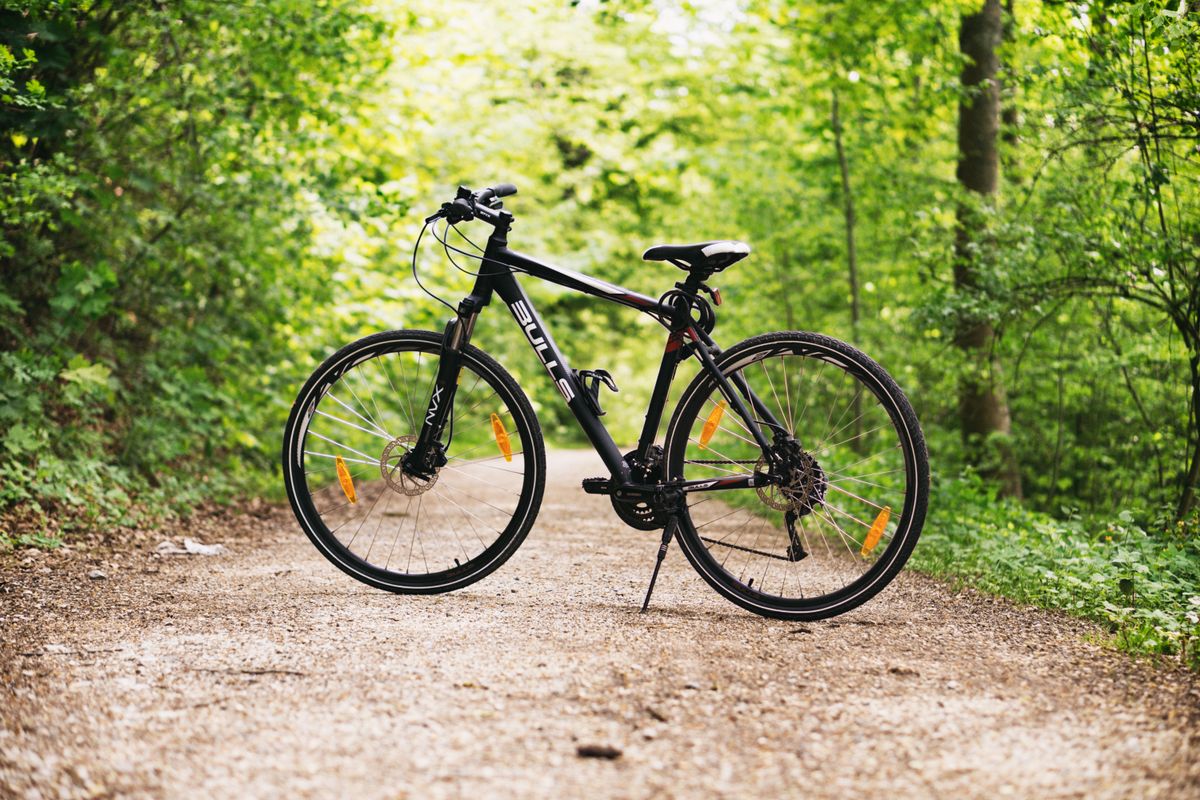
City, hybrid and trekking bikes
A city bike prioritises an upright position, stable steering and easy everyday use. It will often arrive ready for Germany’s changing weather, with mudguards, lights, a rack and a chain guard. Hub gears require relatively little attention; derailleur gears provide a wider range but need more routine cleaning.
City bike
Best for short urban journeys on mostly smooth surfaces. The step-through frame common on many models makes frequent stops convenient. Its relaxed posture improves awareness in traffic, though it is less aerodynamic on longer rides.
Hybrid bike
A broad category combining a relatively light frame, flat handlebar and medium-width tyres. Hybrids feel quicker than traditional city bikes and can handle park paths, but may omit practical equipment.
Trekking bike
A German staple designed for commuting and multi-day touring. It combines practical fittings with a broad gear range and slightly more efficient riding position. For one bicycle that must carry shopping on Monday and luggage at the weekend, this is often the sensible choice.
Road, endurance and gravel bikes
Drop handlebars offer multiple hand positions and make the rider narrower against the wind. The categories look similar from a distance, but their geometry and intended surfaces differ.
| Type | Best surface | Riding position | Typical strength |
|---|---|---|---|
| Race road | Smooth tarmac | Low, responsive | Speed and efficiency |
| Endurance road | Roads and light paths | Moderately upright | Long-distance comfort |
| Gravel | Road, forest and farm tracks | Stable, adaptable | Mixed-surface freedom |
A gravel bike uses wider tyres, lower gearing and more stable handling than a typical road bike. It is useful where German cycle routes alternate between tarmac, compacted gravel and forest sections. An endurance road bike is usually the better choice if nearly every ride remains paved.
Mountain bikes
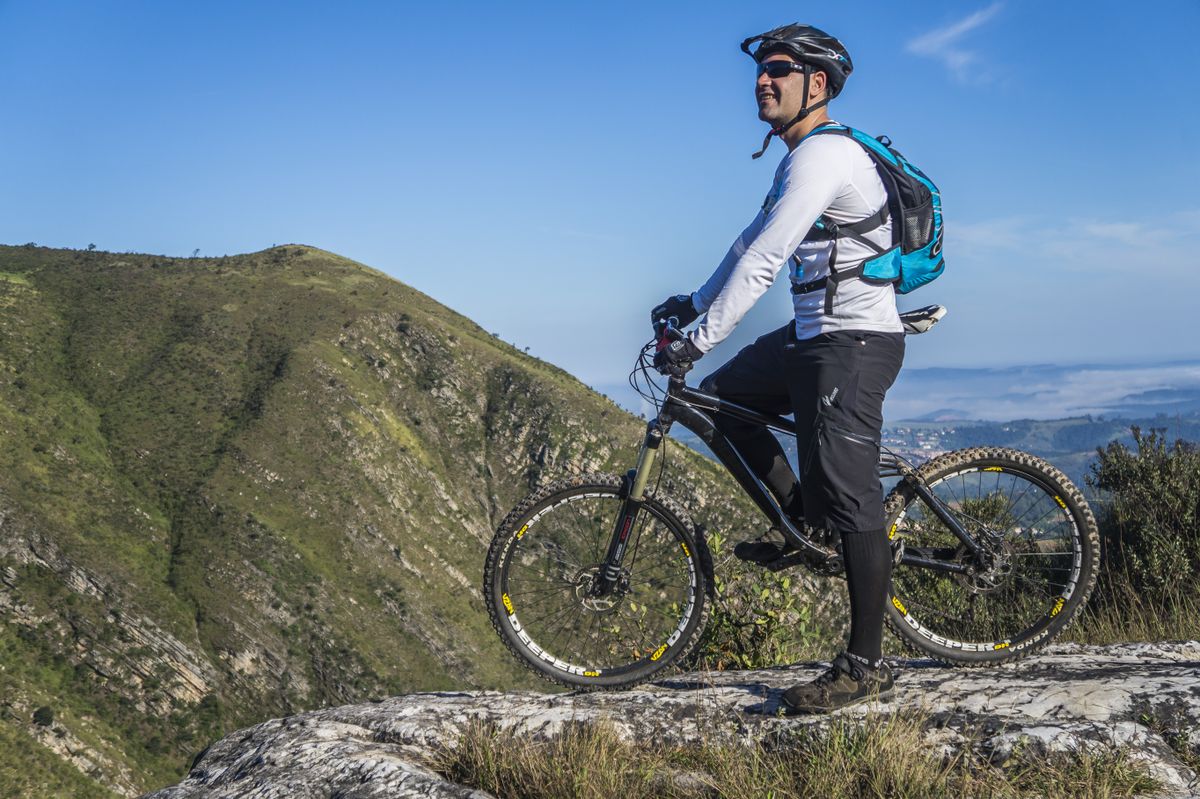
Mountain bikes trade rolling speed for grip, control and strength. Hardtails have front suspension only: they are lighter, simpler and suitable for forest tracks and moderate trails. Full-suspension bicycles add rear travel for rough technical terrain but cost more and require additional maintenance.
Trail access rules are not identical across every German state and protected area. Follow local signs, avoid damaging wet trails, and give walkers and equestrians generous space.
Wheel size and suspension travel should follow terrain, not fashion. A cross-country hardtail with fast tyres is often more enjoyable on broad forest roads than a heavy long-travel trail bike.
E-bikes and pedelecs
Most electric bicycles sold for everyday use in Germany are pedelecs: the motor assists only while the rider pedals and cuts assistance at 25 km/h. In everyday speech they are usually called e-bikes. Faster S-pedelecs belong to a different legal category, with additional registration and equipment requirements.
Motor placement shapes the ride. Mid-drive systems feel balanced and work efficiently on hills; hub motors can be simpler and are common on some urban models. Battery capacity affects range, but rider weight, assistance level, wind, temperature, tyre pressure and elevation can change real-world results dramatically.
What to examine
- Whether the battery can be removed for secure indoor charging
- The availability of local service for the motor system
- Total bicycle weight if stairs or trains are part of the journey
- Brake quality appropriate to the bicycle’s greater mass
Cargo, folding and specialist bikes
Long-tail and front-loader cargo bikes make it possible to carry groceries, equipment or children while using less road space than a car. They handle differently when loaded, so a careful test ride is essential. Load limits include passengers, cargo and sometimes the rider—always check the manufacturer’s specification.
Folding bicycles solve a different problem: storage and intermodal journeys. Small wheels make a compact package and quick steering, while premium hinges and a rigid frame help preserve a confident ride. They suit apartments, offices and train connections better than rough terrain.
Fit, budget and a useful test ride
Correct frame size is only the start. Saddle height, reach to the handlebar, grip position and shoe-to-pedal contact all influence comfort. A bicycle that creates numb hands, knee pain or excessive pressure during a short test will not improve on a longer journey.
- Describe your most common real journey, including distance and surfaces.
- Reserve part of the budget for a lock, lights, luggage and maintenance.
- Ride more than one size or model when possible.
- Test low-speed control, braking, gear changes and hill starts.
- Ask which wear parts and service intervals apply.
Buy for the 80% of rides you will actually do. Occasional specialist needs can often be managed with different tyres, luggage or a rental.