
The everyday bicycle
Cycling in Germany is shaped by local geography and policy. Flat university cities and compact northern towns often make short bicycle trips intuitive; larger cities face a more complicated mix of historic streets, tram lines, construction and competing demands for space. The experience can vary substantially between neighbouring districts.
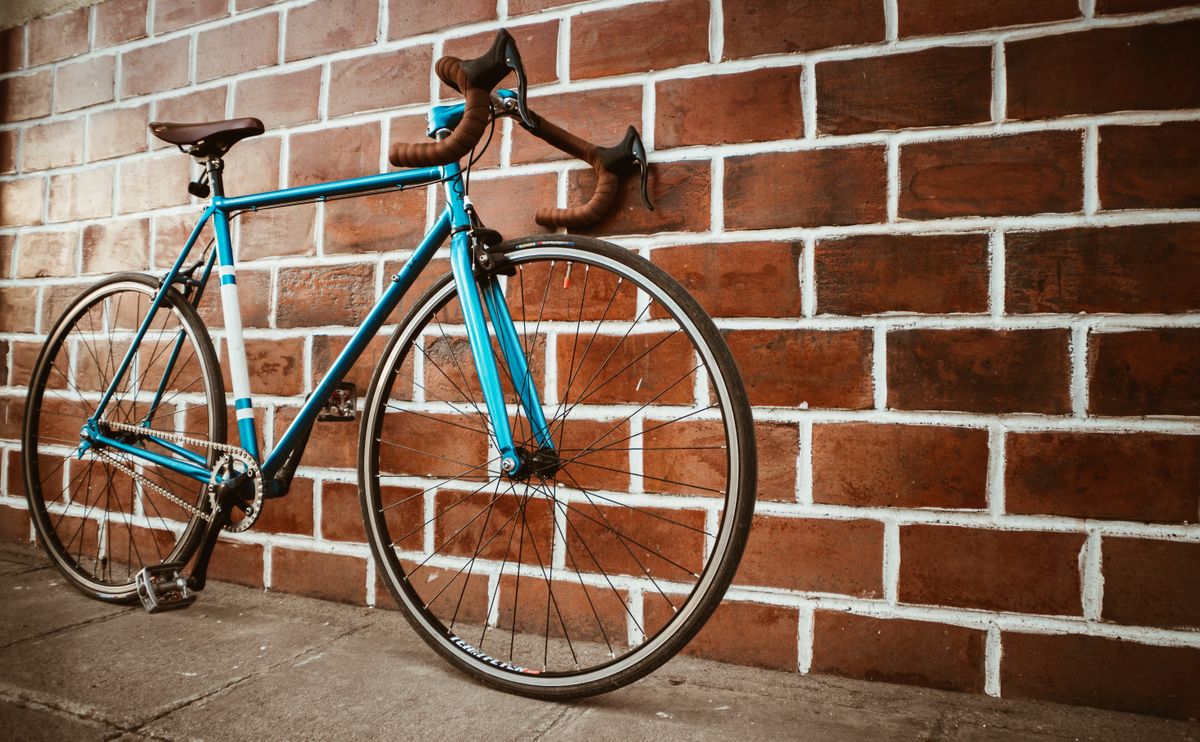
The practical bicycle is easy to recognise: reliable lights, mudguards, a strong rear rack, a bell and a lock suitable for urban use. It is a tool for reaching work, school, shops and railway stations. Electric assistance has broadened the distances and terrain that many riders consider manageable, especially for commuting and cargo transport.
Intermodal journeys
Bicycle and rail travel naturally complement each other, but operators, train types and times can have different rules for carriage and reservations. Riders should check the relevant operator before departure, especially for long-distance services and busy regional routes.
A landscape made for touring
Germany has an extensive network of signed long-distance and regional cycle routes. River corridors are especially popular because they combine gradual gradients with frequent towns, railway access and cultural stops. The Rhine, Elbe, Danube, Moselle and Weser all support well-known touring itineraries.
Beyond rivers, former railway lines, canal paths, coastal routes and cross-border connections offer very different riding. Surfaces can change from paved cycleway to compacted gravel, so a touring, hybrid or gravel bicycle is often more versatile than a narrow-tyred race bike.
A named cycle route is not necessarily traffic-free from start to finish. Examine current route data, construction notices, ferry schedules and the official information published by the relevant tourism region.
Clubs, community and learning
Local clubs are central to German cycling. They create training groups, organise rides and races, support young riders and preserve disciplines that receive little mainstream attention. Riders can find communities around road cycling, mountain biking, BMX, track, cycle touring and even historic bicycles.
Not every cycling group is a formal sports club. Volunteer repair workshops, advocacy groups, social rides and school projects make the culture accessible to people who are not interested in racing. These organisations also help new residents understand local routes and riding conventions.
Competitive cycling
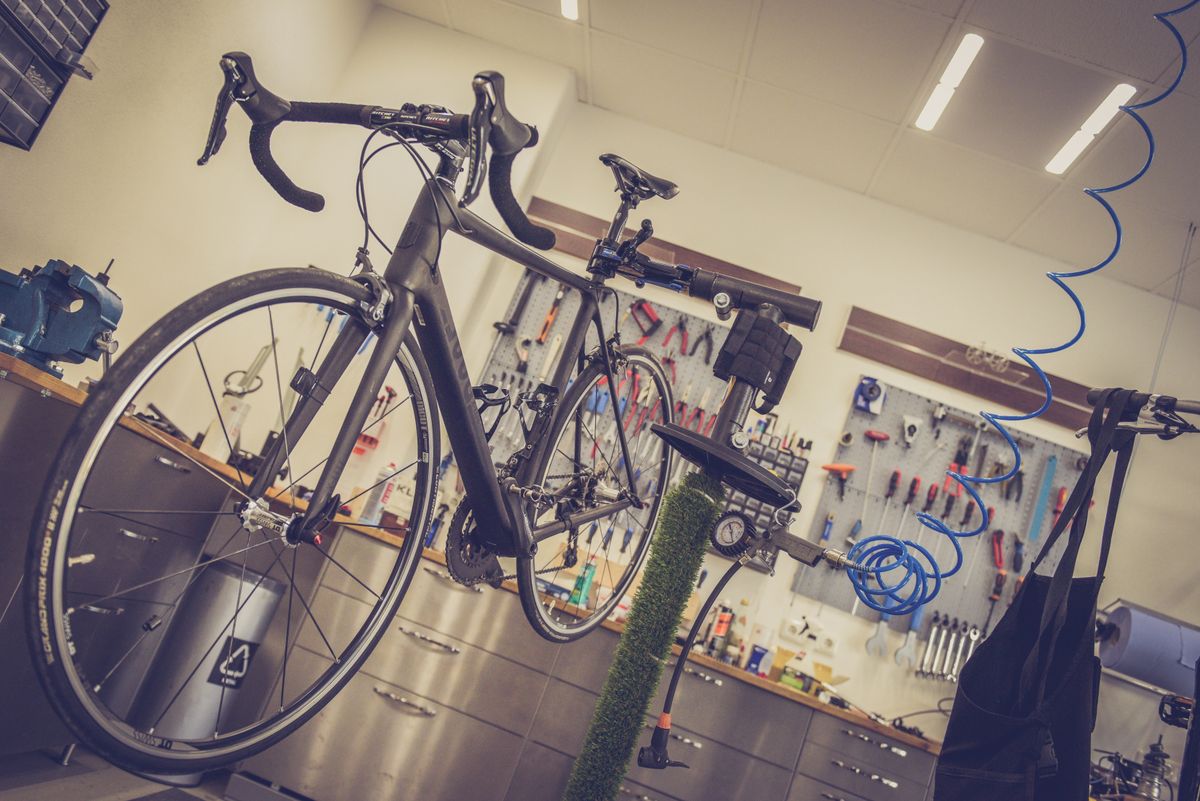
German competitive cycling reaches from grassroots events to international success. The national structure includes road, track, mountain bike, BMX, cyclocross, trials and other disciplines. Velodromes, club circuits and regional race calendars give developing riders a pathway into organised competition.
Road and track
Road racing attracts broad public recognition, while Germany also has a deep track tradition. Six-day events historically connected elite racing with large indoor audiences. Modern riders compete in sprint, endurance and team events at national and international level.
Mountain bike, BMX and cyclocross
Forested uplands support mountain bike communities, from cross-country racing to technical trail riding. BMX clubs provide structured training facilities, while cyclocross turns the colder months into a compact, spectator-friendly format combining riding and running.
Participation events
Gran fondos, charity rides and car-free cycling days offer a bridge between recreational and competitive cycling. Requirements vary; participants should read event rules, insurance information and equipment guidance before registering.
A changing mobility culture
German cities and regions continue to invest in cycle networks, secure parking, mobility hubs and higher-capacity routes. Progress is uneven and often debated, but the direction is clear: the bicycle is increasingly considered part of transport planning rather than an optional recreational extra.
Cargo bikes, subscription services, public bicycle hire and electric assistance are changing who cycles and what can be carried. At the same time, the basics remain decisive—connected routes, understandable junctions, considerate behaviour and bicycles maintained well enough to be dependable.