
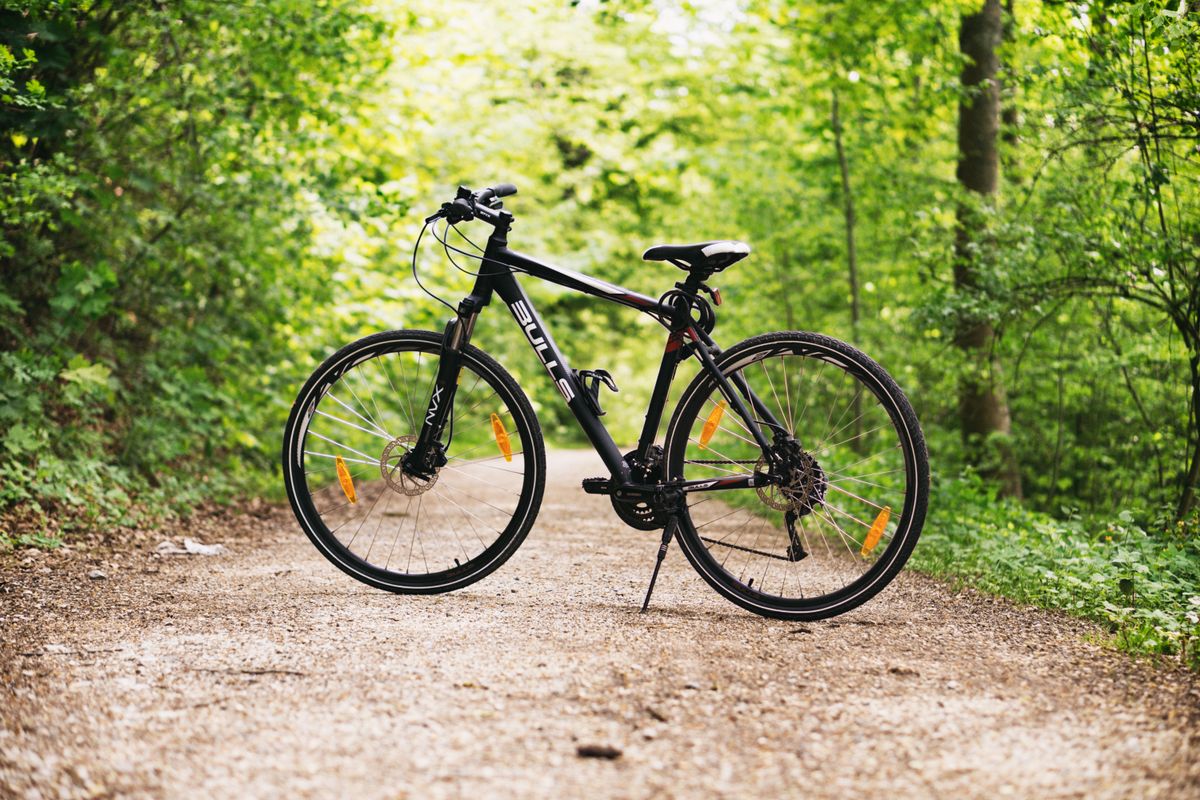
The unfashionable city bike still wins weekdays
Mudguards, a rack and an upright posture will outlast most glossy gravel purchases if your real life is school runs, S-Bahn hops and wet cobbles.
These are not product roundups. They are practical essays about German cycling: awkward junctions, boring-but-useful bikes, wet mornings and route trade-offs.
Mudguards, a rack and an upright posture will outlast most glossy gravel purchases if your real life is school runs, S-Bahn hops and wet cobbles.
Green destination signs, D-Netz numbers and local detours all mean different things. Treat them as clues, not promises.
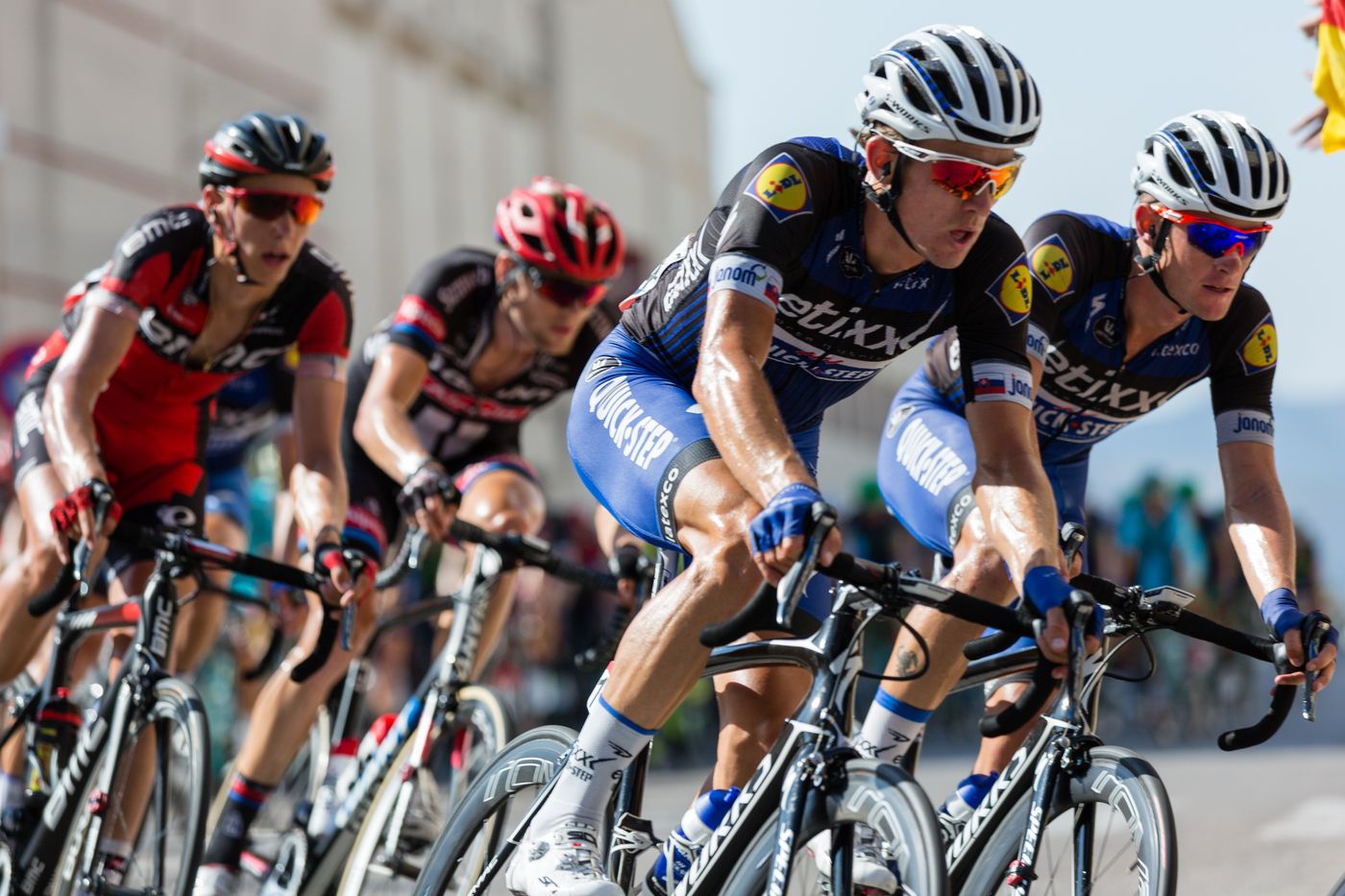
One bike carries shopping and touring bags. The other makes forest tracks more interesting. The wrong choice becomes obvious after the second puncture.
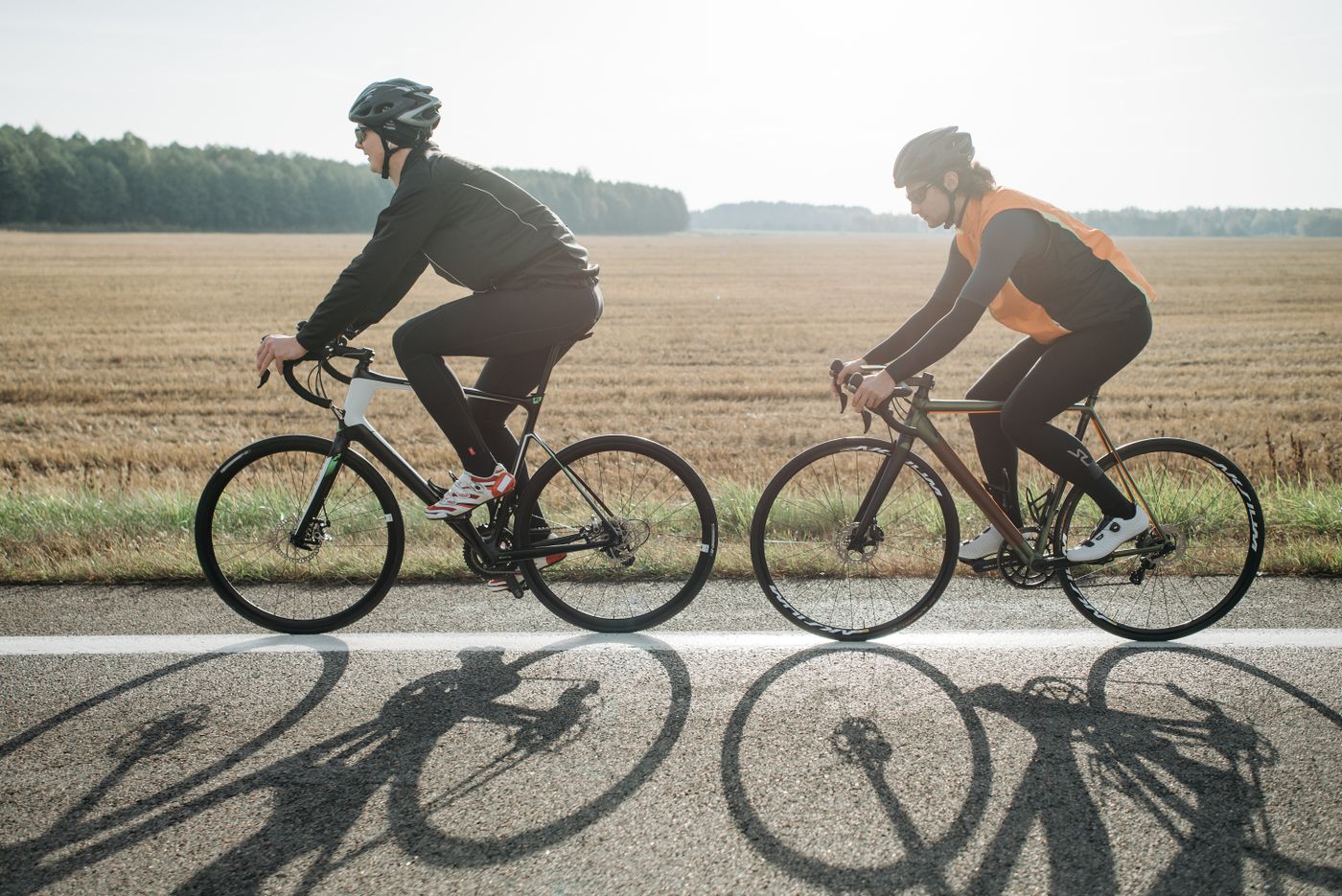
A roadworthy bicycle is boring until dusk arrives early. Here is what matters in practice, without legal theatre.
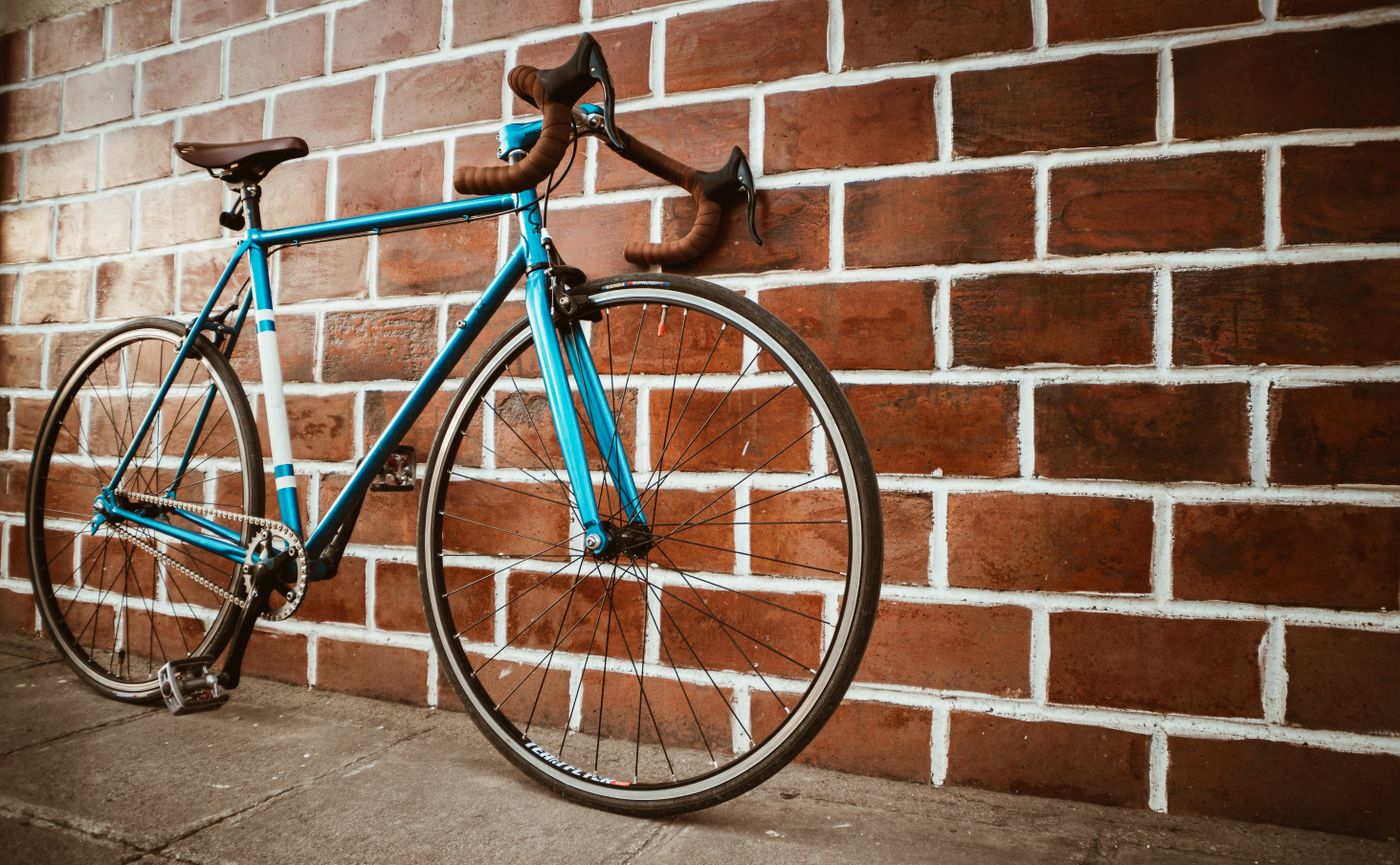
Faster assistance sounds simple. Insurance categories, path access and winter braking tell a different story.

Clubs are not only for people chasing race licences. Many exist for maintenance evenings, social rides and quiet competence.
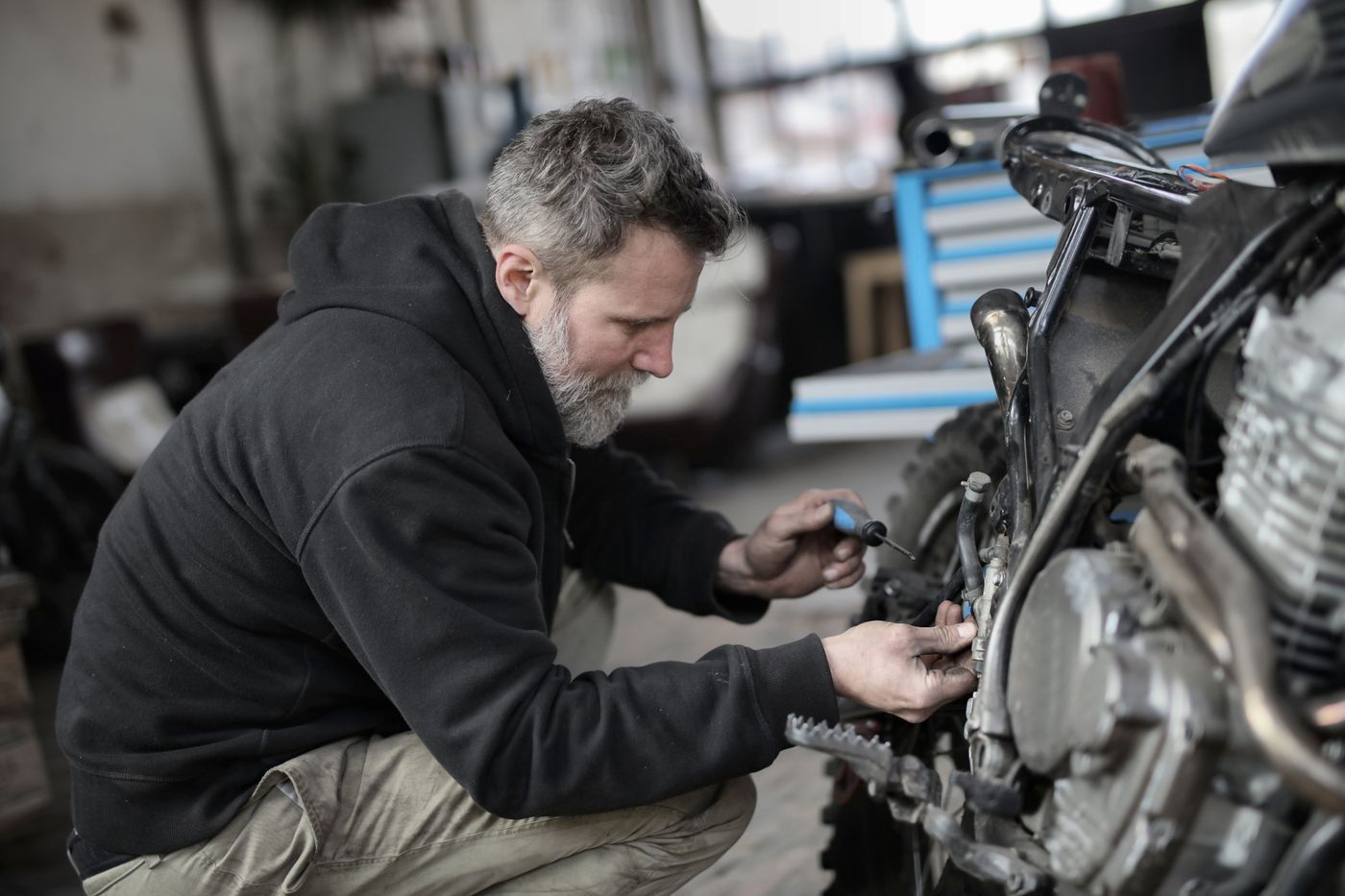
Skip the heroic narratives. Keep the chain clean, the tyres honest and your exit options flexible when ice arrives overnight.

Both are beautiful. One is tighter and busier. The other asks for more patience with wind, distances and variable surfaces.
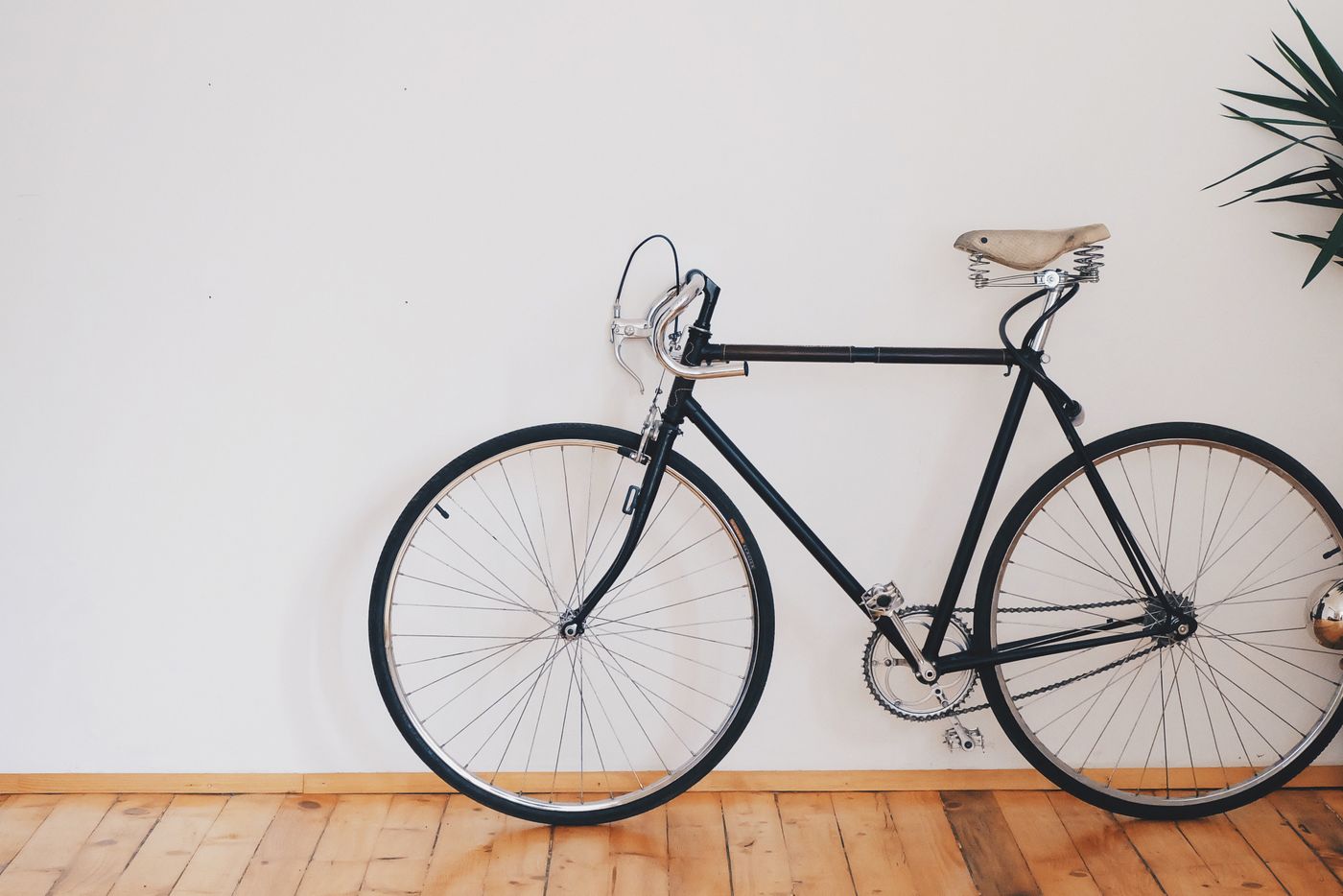
There is no perfect lock. There is a better parking pattern, a recorded frame number and less wishful thinking.