
Grip is a daily decision
Summer tyres on black ice are a manifesto, not a setup. In many winters you will want a more trusted tread, lower pressure within safe limits, and enough width to calm broken surfaces. Studded tyres can be transformative in icy weeks and annoying in mild ones. Some riders keep a second wheelset. Others accept a few train days when conditions turn hostile overnight.
Watch painted lines, metal covers and tram rails. They become ice theatres long before the rest of the street looks dramatic.
Dress for the second kilometre
If you are perfectly warm at the front door, you will overheat by the third junction. Use layers you can vent. Protect hands, ears and feet first. A dry torso matters more than a heroic outer shell that cannot breathe.
Salt is the quiet villain
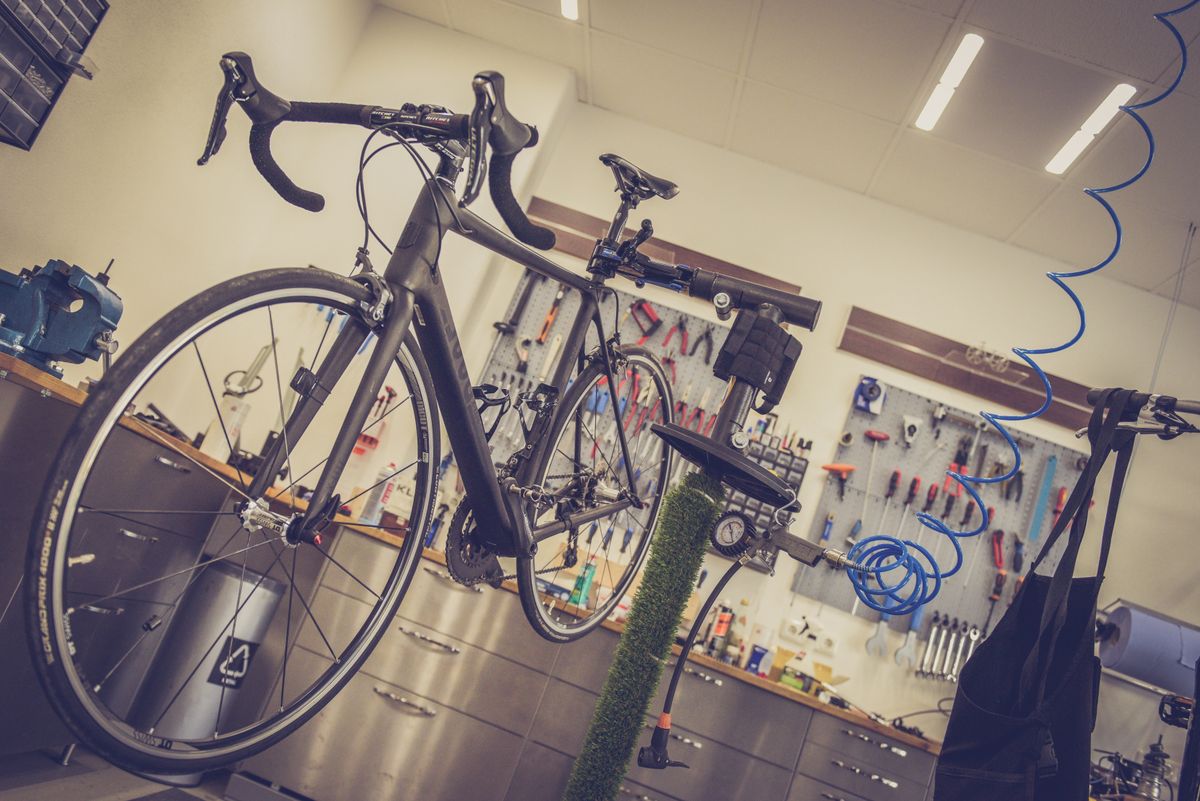
Winter maintenance is not glamorous: rinse away road salt when you can, lubricate the chain more often, check brake pads earlier than usual, and keep lights clean. A covered chain helps. So does refusing to store a soaked bicycle against an indoor wall where it can quietly rust while you congratulate yourself for commuting.
If your workplace has no decent bike storage, winter commuting becomes a clothing and logistics problem before it becomes a bravery problem. Solve drying space and lock strategy early.
Keep an exit plan without shame
The best winter commuters are flexible. They watch overnight forecasts, leave earlier, choose lower-stress corridors, and switch to rail when polished ice appears on their usual descent. Consistency over a season beats a streak that ends with an avoidable injury.
A train ticket is sometimes the most elegant piece of cycling equipment you can buy.
Winter riding can be quietly excellent: empty paths, sharp air, a sense that the city belongs briefly to people who showed up. It stays excellent longest when you treat it as maintenance culture rather than toughness theatre.