
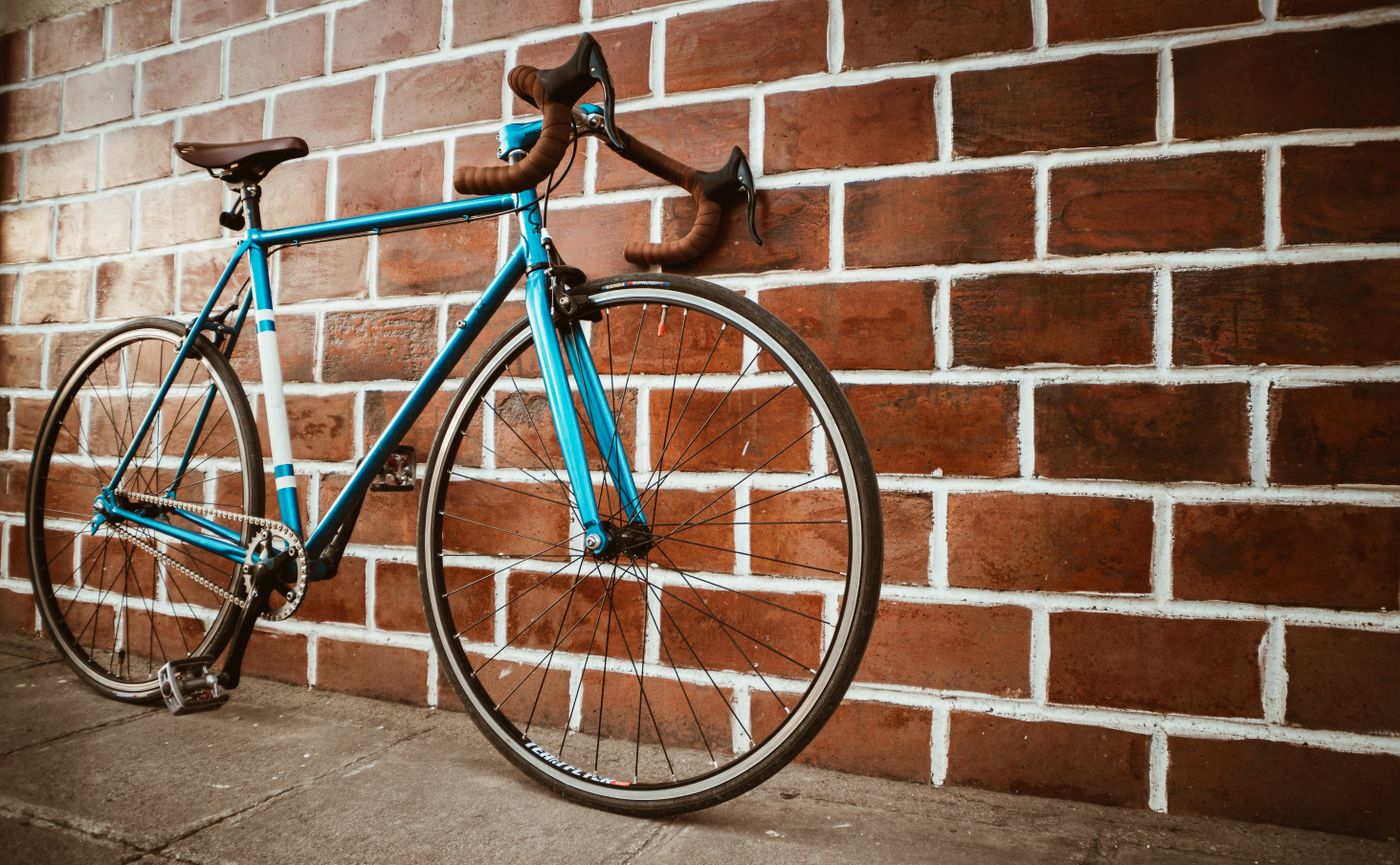
25 km/h is not a branding detail
Most everyday electric bicycles sold in Germany are pedelecs that assist only while you pedal and stop assisting at 25 km/h. In conversation people call them e-bikes. S-Pedelecs assist at higher speeds and sit in a different regulatory category, with additional requirements that owners must take seriously.
That distinction matters more than battery colour. Before buying, confirm the exact category, insurance expectations, helmet rules and where the vehicle may be used. Do not rely on a shop nickname or a social media caption.
The commute map can shrink
Many cycle paths and shared facilities are designed around ordinary bicycles and standard pedelecs. Faster S-Pedelec use can be restricted on infrastructure you currently enjoy. A “faster bike” that forces you onto busier carriageways for key segments may not shorten stress even if it shortens minutes.
Speed only helps if the legal and practical corridor still exists.
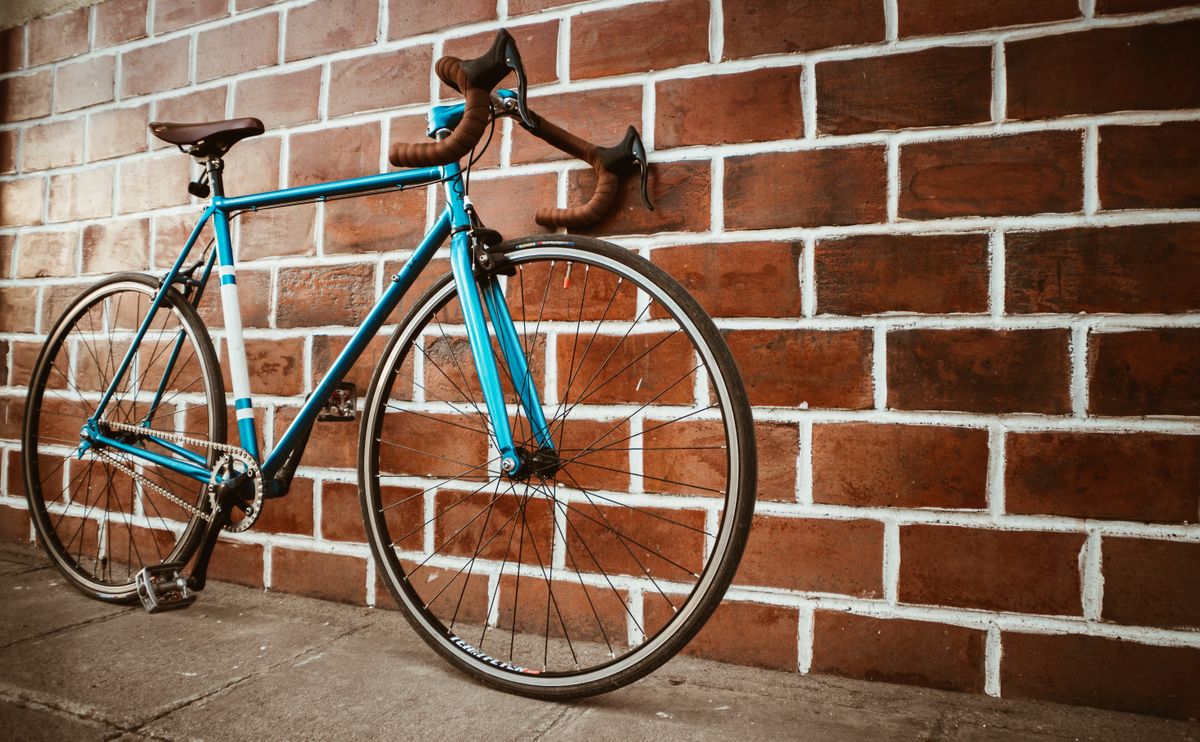
Weight, braking and winter truth
Assisted bikes are heavier. That weight is easy to ignore on a dry June test loop and harder to ignore when you need to stop quickly on wet leaves. Budget attention for brake quality, tyre choice and parking security. A desirable fast bike is also a desirable theft target.
- What category is this vehicle under current German rules?
- What insurance and registration steps are required before road use?
- Which local paths near my commute are off-limits?
- Can the battery be removed for indoor charging and security?
- What does service look like if the motor electronics fail in year three?
For many riders, a standard pedelec remains the more flexible everyday tool: enough assistance for bridges and headwinds, fewer category complications, easier use of ordinary cycling infrastructure. An S-Pedelec can be excellent for specific longer commutes with suitable roads. It is a specialist decision pretending to be a lifestyle upgrade.